


Technical issues related to carbon steel tees
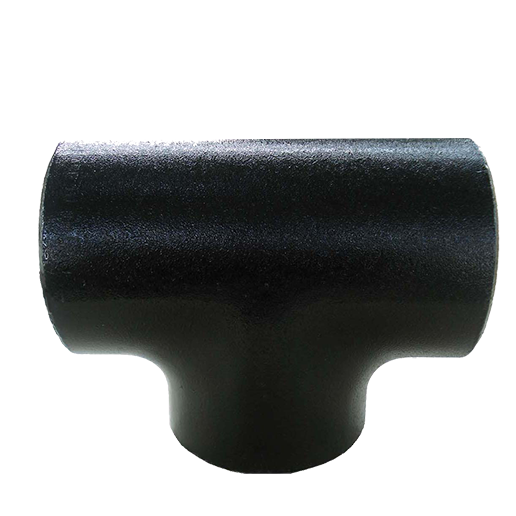
The passivation process of carbon steel tee can be divided into many types, commonly divided into wet method and dry method. The iron oxide formed on ordinary carbon steel continues to oxidize, causing the rust to expand and eventually form holes. Carbon steel surfaces can be secured with paint or with oxidation-resistant metals such as zinc, nickel and chromium, but, as is known, this protection is only a thin film. If the protective layer is breached, the underlying steel begins to corrode.
The passivation effect of the carbon steel tee depends on both the passivation process and the material of the stainless steel stamping elbow. The specific influencing factors include the elements contained in the stainless steel stamping elbow, the metallographic structure of the stainless steel, and the processing state of the stainless steel, etc. . Among the constituent elements, chromium and nickel are elements with strong passivation, followed by iron. Therefore, the higher the content of chromium and nickel, the stronger the passivation of stainless steel.
Austenitic and ferritic stainless steel stamping elbows have a relatively uniform structure and good passivation. Martensitic stainless steel is strengthened by heat treatment, and its metallographic structure is a multi-phase structure, so the passivation is not strong. The smooth surface of the carbon steel tee after machining has better passivation, and the surface of the workpiece obtained by casting, sandblasting, etc. is rough, which is not conducive to passivation. Carbon steel tees will not corrode, pit, rust or wear. Stainless steel is also one of the materials with the highest strength among metal materials for construction.

 WeChat consultation